-
Festival of Lights
Please Visit & Subscribe my Youtube Channel : Keleedas Kobita
In lands where colors blend in many ways,
Observed by eyes in a joyous gaze,
A festival of lights, a sacred phase,
Diwali arrives, in a luminous blaze.
More than a billion hearts, diverse in belief,
Gather neath the sky, where joy is chief,
Prayers whisper in the gentle night,
A celebration of triumph, a festival bright.
From prayers that rise to feasts that gleam,
Fireworks dance in the nocturnal dream,
A tapestry woven with tales untold,
Of victories grand, of stories bold.
The tales differ in each region’s lore,
Yet, a common thread, a narrative core,
Of light conquering dark, a universal theme,
Knowledge piercing through ignorance’s seam.
In southern realms, Krishna’s valor shines,
The demon Naraka, where darkness twines,
Imprisoned souls and tormented cries,
Defeated by light, where goodness lies.
Good over evil, the mantra sung,
In every heart, on every tongue,
Diwali’s essence, a radiant spell,
A time to rejoice, where goodness dwells.
New beginnings embraced, prosperity sought,
In every prayer, in every thought,
A celebration of Rama’s triumphant return,
After years of exile, the demons’ spurn.
Life lessons in the festival’s glow,
Values that flourish and virtues that grow,
Equality, a virtue from Lord Ram’s reign,
A lesson for hearts, breaking every chain.
Beware of temptations, a subtle snare,
Diwali whispers, urging hearts to beware,
Selflessness, a lantern in the night,
Guiding souls towards the path of light.
Patience, a virtue, like a diya’s glow,
Flickering, steady, in life’s ebb and flow,
In the celebration, a truth unfolds,
Bad company, a tale Diwali scolds.
The wisdom dispels inner and outer strife,
In the radiant embrace of Diwali’s life,
Marking the New Year, a journey starts,
A time for dreams, a canvas of hearts.
Honoring Rama and Sita’s daring flight,
Escaping the demon’s clutches, a symbol of might,
Diwali, a dance of joy, a cosmic art,
A celebration etched in every heart.
-
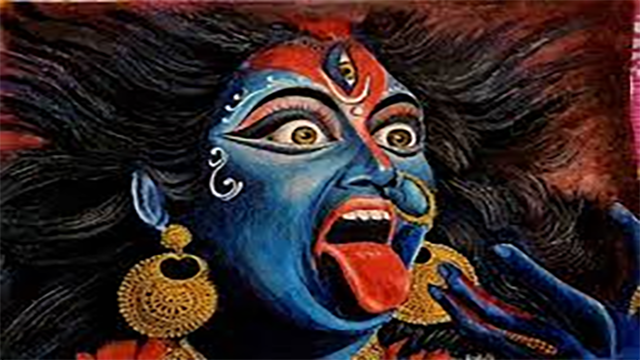
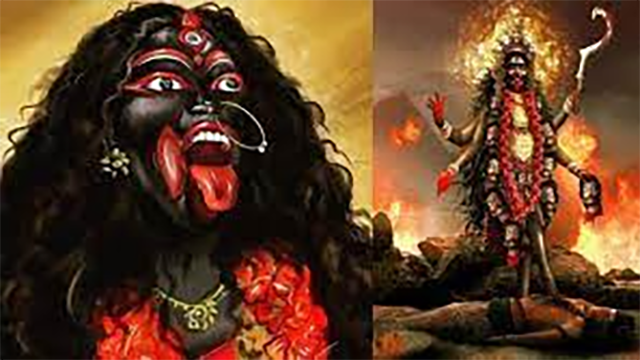
Jai Maa Kali
Audio File Please Visit & Subscribe my Youtube Channel : Keleedas Kobita
Kali Puja also known as Shyama Puja is a festival originating from the Indian subcontinent, dedicated to the Hindu goddess Kali. It is celebrated on the new moon day or Amavasya The festival is especially popular in the region of West Bengal, and other places like Mithila and many places of Bihar Odisha, Assam, and Tripura, as well as the town of Titwala in Maharashtra, along with the neighbouring country of Bangladesh.
The festival of Kali Puja is not an ancient one. Kali Puja was practically unknown before the 16th century; famous sage Krishnananda first initiated Kali Puja. In Bengal during the 18th century, King Krishnachandra of Nabadwip also made this puja wide spread. Kali Puja gained popularity in the 19th century, when kali saint Shri Ramkrishna became popular among the Bengalis ; Along with Durga Puja, Kali Puja is the biggest festival in Tamluk, Barasat, Naihati, Barrackpore, Dhupguri, Dinhata, Tapshitala. It is also famous in Bhagalpur of Bihar.
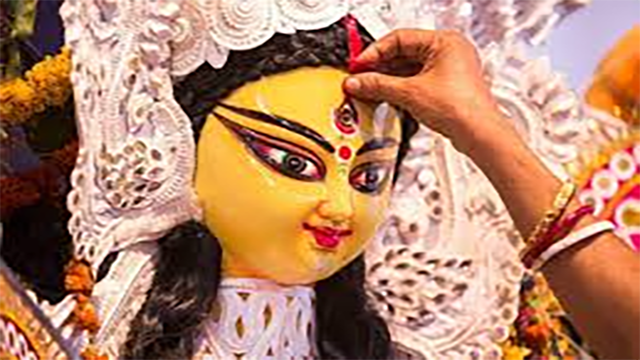
Artisan making an idol of goddess Kali at Kumortuli, Kolkata.
During Kali Puja like Durga Puja worshippers honour the goddess Kali in their homes as well as in pandals, She is worshipped at night with tantric rites and mantras. She is prescribed offerings of red hibiscus flowers, sweets, rice and lentils. It is prescribed that a worshipper should meditate throughout the night until dawn. She is offered food and sweets made of rice, lentils, and fruits. However, in Tantric tradition, animals are ritually sacrificed on Kali Puja day and offered to the goddess. A celebration of Kali Puja in Kolkata is held in Barasat, Barrackpore, Naihati and Madhyamgram region of North 24 Parganas, In North Bengal, Dhupguri, Dinhata, Coochbehar is well known for their majestic pandals, lightings and Idols. Durga Puja of Kolkata is often said synonymously with Kali Puja of Barasat. The region experiences Lacs of footfalls during the days of the festival. People from different regions gather to witness the majestic Pandals.
Two famous Bengali Kali devotees named Ramakrishna and Bamakhepa are famous for Maa Kali Puja.
People visit these pandals throughout the night. Kali Puja is also the time for magic shows, theater, and fireworks
In the Kalighat Temple in Kolkata, Kali is worshipped as Lakshmi on this day.
Another famous temple dedicated to Kali in Kolkata is Dakshineswar Kali Temple, where Sri Rāmakrishna performed rites. Khepa kali tala (Khepi Maa) in Katwa is renowned.
Idol of goddess Kali’s immersion is done in the waters of river Hooghly
A child bursting firecracker in Bengal during Kali Puja
Although the widely popular annual Kali Puja celebration, also known as the Dipanwita Kali Puja. It is celebrated on the new moon day of the month of Kartika, Kali is also worshipped in other new moon days too. Three other major Kali Puja observations are Ratanti Kali Puja, Phalaharini Kali Puja and Kaushiki amavasya Kali Puja. Kaushiki amavasya Kali Puja is greatly associated with Goddess Tara of Tarapith as it is considered the day when Devi Tara appeared on earth and blessed sadhak Bamakhepa ,
According to the legends on this day the Doors of both the “Naraka” and the “swarga” are kept open for some time, while Ratanti puja is celebrated on Magha Krishna Chaturdashi and Phalaharini puja is celebrated on Jyeshta Amavashya of Bengali calendar.
The Phalaharini Kali Puja is especially important in the life of the saint Ramakrishna and his wife Sarada Devi, since on this day in 1872, Ramakrishna worshipped Sarada Devi as the goddess Kali.
-
Ma Lakshmi’s Grace & Blessings
Audio File Please Visit & Subscribe my Youtube Channel : Keleedas Kobita
In the heart of ancient lore, a goddess fair,
Maa Lakshmi’s grace, the riches she does share,
Wealth and power, beauty, fertility’s bloom,
Prosperity’s light in every corner’s room.
Vishnu’s consort, divine energy, she’s named,
Their love and union forever proclaimed,
Ashtalakshmi’s forms, eight wealth fountains,
Blessings that flow from eternal mountains.
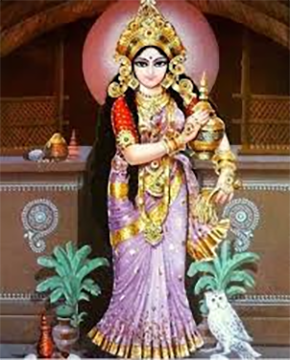
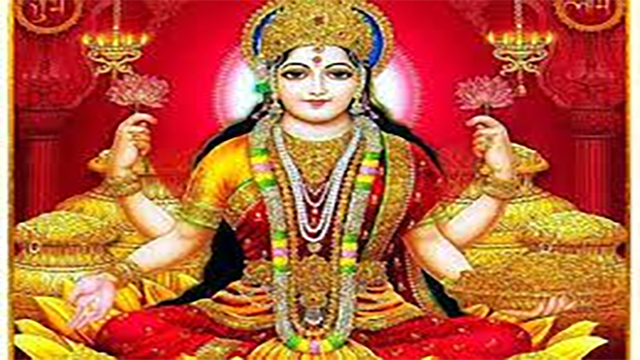
Elegantly dressed in golden, radiant she,
Upon a lotus throne, she sits with glee,
A lotus in her hand, symbol of fate,
Fortune, self-knowledge, spiritual gate.
Four hands she bears, life’s aspects she shows,
Dharma, kāma, artha, moksha, she bestows,
Goddess of fortune, Sri & Vishnu’s loving wife,
In their eternal dance, the rhythm of life.
Emerging from the lotus in creation’s morn,
Over waters deep, her beauty is born,
Ma Lakshmi, a symbol of hope and delight,
Guiding us from darkness into the light.
Ma Lakshmi Puja, in autumn’s sweet breeze,
Sharad Purnima, under moon’s gentle ease,
Harvest’s joy, a celebration we decree,
Ma Lakshmi’s blessings, for all to see.
-
মা লক্ষীর কথা ও পুজো পদ্ধতি
Please Visit & Subscribe my Youtube Channel : Keleedas Kobita
মা লক্ষ্মী হলেন একজন হিন্দু দেবী। তিনি ধনসম্পদ, আধ্যাত্মিক সম্পদ, সৌভাগ্য ও সৌন্দর্যের দেবী। পার্বতী এবং সরস্বতীর সাথে তিনি ত্রিদেবীর একজন। তিনি বিষ্ণুর পত্নী। তার অপর নাম মহালক্ষ্মী তিনি স্বত্ত্ব গুন ময়ি মা লক্ষ্মীর বাহন পেঁচা। মা লক্ষ্মী ছয়টি বিশেষ গুণের দেবী। তিনি বিষ্ণুর শক্তিরও উৎস। মহাবিশ্বের সৃষ্টি, সুরক্ষা এবং রূপান্তর করতে বিষ্ণুকে সহায়তা করেন। যখন বিষ্ণু অবতার হিসেবে পৃথিবীতে অবতীর্ণ হন, তখন লক্ষ্মী তার সাথে সঙ্গী হিসেবে আসেন। যেমন রাম ও কৃষ্ণ রূপে অবতার গ্রহণ করলে, লক্ষ্মী সীতা,রাধা, রুক্মিণী রূপে তাঁদের সঙ্গিনী হন। লক্ষ্মীর আটটি বিশিষ্ট প্রকাশ অষ্টলক্ষ্মী, যা সম্পদের আটটি উৎসের প্রতীক। লক্ষ্মী পূজা অধিকাংশ হিন্দুর গৃহেই অনুষ্ঠিত হয়। নবরাত্রির সময় দীপাবলি ও শারদ পূর্ণিমা বা কোজাগরী পূর্ণিমার দিন তার বিশেষ পূজা হয়। এটি কোজাগরী লক্ষ্মী পূজা নামে খ্যাত। বাঙালি হিন্দুরা প্রতি বৃহস্পতিবার লক্ষ্মীপূজা করে থাকেন
পুজো শুরুর আগে গঙ্গা জল ছিটিয়ে দিন নিজের ও সকলের মাথায় ও পূজার স্থানে। তারপর নারায়ণকে মনে মনে স্মরণ করে পূজা শুরু করুন। পূজার স্থানে একটি তামার পাত্রে জল রাখুন। এই জল সূর্য দেবতাকে অর্পণ করার জন্য। তিনি সকল শক্তির উৎস। তাকে ছাড়া পৃথিবী অন্ধকার। তাই তাকে জল দেওয়া বাঞ্ছনীয়। তামার পাত্রে জল ঢালতে ঢালতেই সূর্যদেবতাকে স্মরণ করুন।
এরপর ঘট স্থাপনের পালা। মাটির একটি গোল ডেলা করে সমান করে নিন। তার ওপর ঘট বসান। এবং ঘটের সামনে একটু ধান ছড়িয়ে দিন। ঘটে স্বস্তিক চিহ্ন আঁকুন সিঁদুর দিয়ে। ঘটের ওপর আমের পাতা রাখুন। পাতার সংখ্যা যেন বিজোড় হয়। আর পাতার ওপর তেল সিঁদুরের ফোঁটা দেবেন। ঘটে গঙ্গাজল দিয়ে তার ওপর আমের পাতা রাখুন। পাতার ওপর একটা হরিতকী, ফুল, দুব্বো, সব দিয়ে ঘট সাজান। ইচ্ছা করলে ঘটে ও লক্ষ্মীকে একটি করে মালাও পরাতে পারেন।
ঘট স্থাপনের পর মাকে প্রণাম করার পালা। মা কে প্রণাম করুন।
এরপর মা লক্ষ্মীকে আপনার ঘরে আবাহন করবেন আহবান মন্ত্র সহযোগে। না জানলে মাকে মনে মনে আহবান জানান। হাত নমস্কার করে চোখ বন্ধ করে, বলুন এসো মা আমার গৃহে প্রবেশ কর। আমার গৃহে অধিষ্ঠান কর। আমার এই সামান্য আয়োজন, নৈবিদ্য গ্রহণ কর মা। এইভাবে মাকে আহবান জানাবেন ।
এরপর আপনার পূজাদ্রব্যগুলি একে একে মা লক্ষ্মীকে দেবেন।
মা লক্ষ্মী আপনার গৃহে পূজা নিতে এলেন, তাই প্রথমেই একটুখানি জল ঘটের পাশে আলপনায় লক্ষ্মীপদচিহ্নে দেবেন। এরপর দুর্বা ও একটু আতপ চাল ঘটে দেবেন। এটি হল অর্ঘ্য। এর সঙ্গে একটি ফুলও দিতে পারেন। এরপর মা লক্ষ্মীকে একটি চন্দনের ফোঁটা দেবেন। মা লক্ষ্মীর প্রতিমা না থাকলে ফুলে চন্দন মাখিয়ে ঘটে দেবেন। এরপর লক্ষ্মীকে ফুল দেবেন। তারপর প্রথমে ধূপ ও তারপর প্রদীপ দেখাবেন। শেষে নৈবেদ্যগুলি নিবেদন করে দেবেন। তারপর ফুল দিয়ে পুষ্পাঞ্জলি দেবেন। মন্ত্র— এয সচন্দনপুষ্পাঞ্জলি ওঁ শ্রী লক্ষ্মীদেব্যৈ নমঃ। পুষ্পাঞ্জলি এক, তিন বা পাঁচ বার দিতে পারেন। পুষ্পাঞ্জলির পর নারায়ণের উদ্দেশ্যে একটি ফুল ও দুটি তুলসীপাতা ঘটে দেবেন। তারপর ইন্দ্র ও কুবেরের নামে দুটি ফুলও ঘটে দেবেন। মা লক্ষ্মীর পেচককেও একটি ফুল দেবেন। তারপর দেবীকে প্রণাম করুন। এরপর সবশেষে লক্ষ্মীদেবীর পাঁচালী পড়ে পূজা শেষ করুন।
মা লক্ষ্মীপূজায় নিষিদ্ধ বিষয়
১. শান্তভাবে মায়ের পুজো করুন।
২. মায়ের পূজায় কাঁসর ঘণ্টা বাজাতে নেই, শুধু শাঁখ বাজান
৩. দেবীর ঘটে তুলসীপাতাও দেবেন না।
৪. ঘটের পাশে মায়ের একটি পা অবশ্যই আঁকবেন ।
৫. লক্ষ্মীপূজার পর একটি ফুল ও দুটি তুলসীপাতা দিয়ে শ্রী নারায়ণকে পূজা করতে হয়।
৬. লক্ষ্মীপূজা সাধারণত সন্ধ্যাবেলা করে, তবে অনেকে
সকালেও করে থাকেন। সকালে করলে সকাল ন-টার মধ্যে করে নেওয়াই ভাল
-
Maa Durga’s Eternal Grace
Please Visit & Subscribe my Youtube Channel : Keleedas Kobita
In the land of vivid hues and sacred chants,
Where devotion ignites, every heart enchants,
Maa Durga, divine, in idols so grand,
Immersed in waters, a symbol easy to understand.
Amidst the flow of river’s embrace,
She departs with grace, a sacred solace,
Yet in our hearts, she continues to reside,
Guiding us along, as life’s currents collide.
Maa Durga’s love, an eternal stream,
In every soul, a radiant dream,
Her strength and wisdom forever abide,
In the daily battles, by our side.
With ten mighty arms, she vanquishes strife,
A symbol of power, love, and life,
Yet in the human spirit, her power stays,
Guiding us through life’s complex maze.
She’s the protector, the mother, the friend,
Her love knows no bounds, it has no end,
Though idols may sink in the river’s embrace,
Maa Durga’s presence, no time can efface.
Through the seasons of life, in joy and despair,
Maa Durga’s benevolence, she’s always there,
In every prayer and every hopeful plea,
Her eternal grace, for all to see.
So as the idols sail away in the stream,
Remember, in your heart, she’ll forever gleam,
Maa Durga’s love, a timeless space,
An enduring bond, her eternal grace.
In the whispers of wind and the warmth of the sun,
In every new day, when life has begun,
Maa Durga’s blessings, a constant embrace,
Guiding us onward, in love and in grace.
As we face challenges, both big and small,
Her strength empowers, she answers the call,
With each act of kindness, each noble deed,
Maa Durga’s presence, in every need.
So let us remember, in our daily strive,
Maa Durga’s teachings, how she does guide,
In unity, love, and compassion we’ll find,
Her eternal grace, a beacon in our mind.
Though the idols may rest beneath river’s flow,
Her spirit within us will continue to grow,
Maa Durga’s love, in our hearts, takes its place,
A boundless source of strength and endless grace.
-
দূর্গা পুজো হয়ে গেল?
Audio File Please Visit & Subscribe my Youtube Channel : Keleedas Kobita
নবরাত্রীতে মায়ের পুজো
মা শৈলপুত্রীকে পুজো দিয়ে।
দ্বিতীয়াতে মায়ের পুজো
মা ব্রহ্মচারিণীকে সঙ্গে নিয়ে।
এরপরে মা চন্দ্রঘন্টা
তারপর দিন মা কুষ্মান্ডমাতার পুজো হলো।
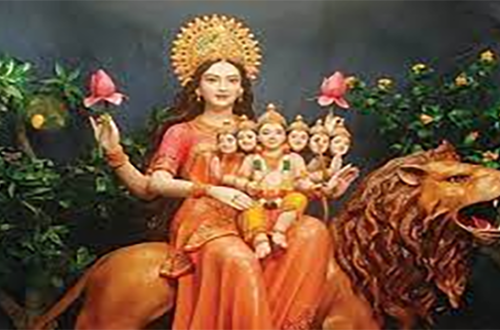
তারপরে মা স্কন্দমাতা
তারও পরের দিন মা কাত্যায়নির পুজোয় কাটলো।
সপ্তমীর দিন আমরা মাতি
মা কালরাত্রীর পুজোর সঙ্গে।
মা মহাগৌরীর পুজো হলো
অষ্টমীর দিন মহা আনন্দে।
মা সিদ্ধিদাত্রীর পুজো নবমীতে
অষ্টসিদ্ধির আশা নিয়ে।
নবমীর এই রাত পেরোলেই
মা যাবেন কৈলাশের পথ দিয়ে।
তাই মন খারাপ সকলের
এবারের মতো দূর্গাপুজো শেষ।
এইতো সেদিন শুরু হোলো
এরমধ্যেই সব হয়ে গেল নিঃশেষ।
মাগো তুমি আবার এসো
পরের বছর ঠিক সময়ে।
আমরা সবাই বুক বাঁধি আজ
মনের এই আশা সঙ্গে নিয়ে।